Grief can turn families upside down, especially when loss, money, and living arrangements collide under one roof. When tragedy strikes, kindness is often expected to stretch endlessly, but not everyone agrees on where empathy should end and responsibility should begin. One reader wrote to us with a painful family conflict that left her questioning whether love has limits.
We got a letter from a 61-year-old Margaret.
Hi,
My name is Margaret, I’m 61, and last month, on Dec 20, I buried my only son. He died after a long battle with cancer, and I am still waking up every morning hoping it was a bad dream. He left behind his wife, Ana, and their three children. For the past eight years, they had been living in my house. At first, it made sense. They were saving, raising kids, and my son was sick. I told myself family takes care of family.
After my son passed, something shifted. Ana stopped talking about plans, stopped mentioning work, stopped even acknowledging that the house was mine. The kids treated it like permanent territory. I was still paying the bills, the utilities, the repairs, and buying groceries, all while grieving my child in the same rooms where he once laughed. One evening, after another argument about expenses, I finally said it out loud. I told her this house was not a free hotel and that it was time for her to find a place for herself and the kids. I expected anger. I expected tears. She just went quiet.
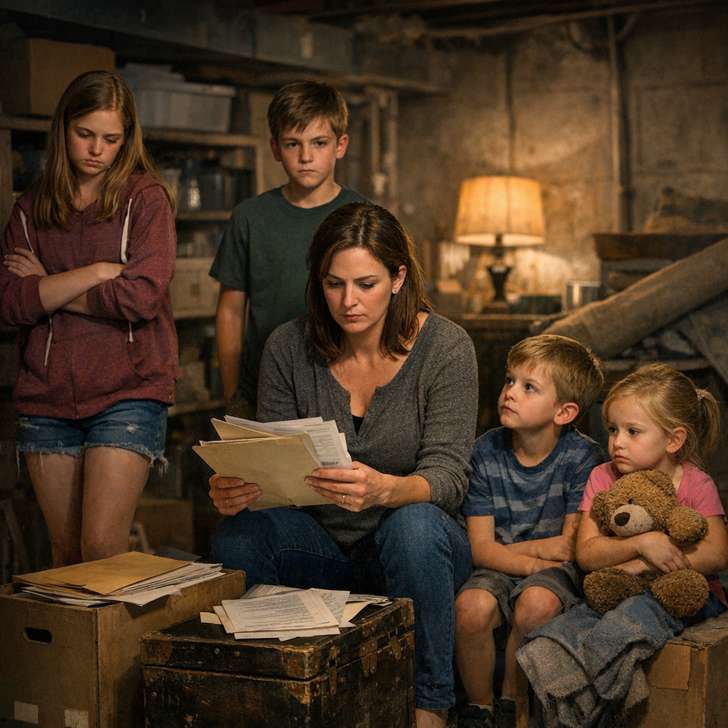
A few nights later, I went down to the basement and froze. Ana had been going through my storage boxes. She’d pulled out old paperwork, deeds, insurance documents, and even my will drafts from years ago. When I confronted her, she said calmly that she needed to “understand her children’s future” and wanted to make sure I wasn’t planning to sell the house or leave it to someone else. That was the moment I realized she wasn’t grieving with me anymore. She was planning around me. I felt invaded, used, and invisible in my own home.
Now my relatives are split. Some say I’m cruel for pushing out a widow and three kids so soon. Others say I’ve already given enough and that grief doesn’t mean I disappear as a person. I loved my son more than anything, but I don’t know if that means I have to give up my home, my privacy, and my peace forever. Did I go too far?
— Margaret
Here is what we think, Margaret.
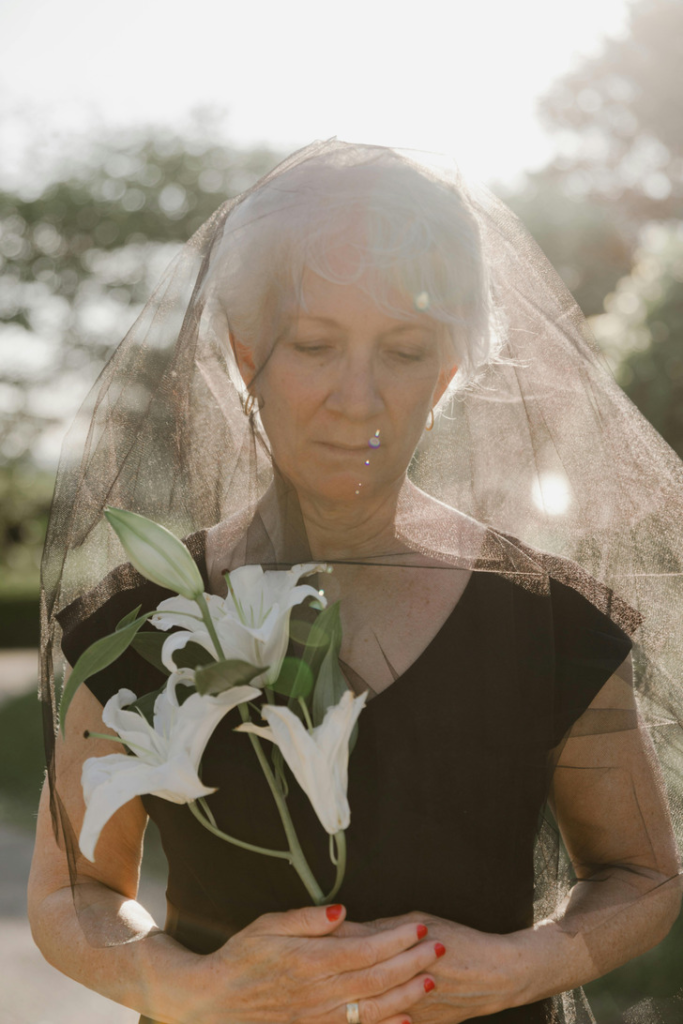
Margaret, thank you for trusting us with something this raw. Losing a child is a pain no parent should ever carry, and trying to survive that while supporting others is an impossible load for one person. It’s okay to admit that grief does not cancel your right to safety, dignity, or control over your own life.
It may help to separate love from obligation. You can care deeply about your grandchildren and still acknowledge that long-term housing, finances, and legal decisions require structure, not silence. Unspoken expectations have a way of turning kindness into resentment. Clear timelines and written agreements are not heartless; they protect everyone from misunderstandings that only grow heavier with time.
Lastly, remember an old saying: you can grieve and still stand your ground. Wanting peace in your own home does not erase the love you had for your son or the compassion you feel for his family. If possible, consider involving a neutral third party, like a mediator or counselor, to help navigate the next steps without more damage. Grief already took enough from you. You are allowed to keep what’s left.